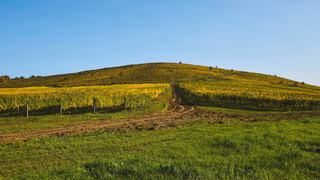

To visit French wine country, choose one of the French wine regions per trip: Bordeaux wine, Burgundy wine, Champagne, the Alsace wine route, the Rhone Valley or Provence wine. Wine tourism in France runs by appointment: each vineyard sets its own wine tasting hours.
Four points before you book a French vineyard tour
- One wine region, three or four days: distances between Bordeaux, Burgundy and Champagne take whole days on the road.
- Small wineries open by appointment; a short email a week ahead secures most tasting visits.
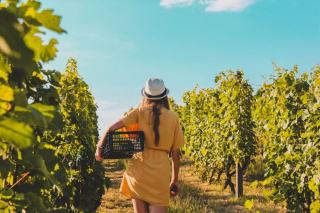
- Harvest (September-October) is the liveliest time to visit, along the wine routes or in the Loire Valley wine villages, and the busiest for winemakers.
- Plan a driver or a guided wine tour to enjoy the experience: tasting and driving do not mix under French law.
Which French wine regions suit a first visit?
Each French wine region has its own character, calendar and cellar-door culture, so the first decision is less about where the best wine comes from and more about the kind of trip you want. Some regions reward advance booking at grand estates, others suit slow cycling between family cellars. The overview below covers the destinations most travelers start with, and the wine experience each one offers.
Bordeaux and Saint-Emilion
Bordeaux is the largest fine wine region in France, organised around the Gironde estuary and its two rivers. The Left Bank (Médoc, Graves, Pessac-Léognan) is the home of the 1855 classification, drawn up for the Universal Exhibition in Paris, which still ranks the famous châteaux of the Médoc. The Right Bank centres on Saint-Emilion, a medieval village whose vineyard landscape UNESCO listed in 1999, and on Pomerol. Red wine dominates here, built on merlot and cabernet sauvignon, with dry white Bordeaux from sauvignon blanc and sémillon and the sweet wines of Sauternes. A Bordeaux wine trip usually combines the city itself, with the Cité du Vin opened in 2016 on the river front, and day trips to the estates: the Médoc lies about an hour north by road, Saint-Emilion about 40 minutes east. To compare the Bordeaux vineyards of the Médoc, Graves and Saint-Emilion before choosing a base, start with the appellation that matches the wine you already drink.
Burgundy, from Dijon to Beaune
Burgundy (Bourgogne in French) runs south from Dijon through the Côte de Nuits and the Côte de Beaune, a narrow strip of slopes where pinot noir and chardonnay are mapped plot by plot. UNESCO listed these "climats" in 2015. The region counts 33 grands crus, and the Route des Grands Crus, created in 1937, links the wine villages over about 60 kilometres from Dijon to Santenay. Beaune is the natural base, with its Hospices and the annual charity wine auction held each November. Burgundy suits walkers and cyclists: villages such as Gevrey-Chambertin, Vosne-Romanée and Meursault sit a few kilometres apart.
Champagne around Reims and Epernay
Champagne is the closest wine region to Paris: the TGV reaches Reims in about 45 minutes. The great champagne houses of Reims and Epernay open their chalk cellars to visitors, and UNESCO listed the Champagne hillsides, houses and cellars in 2015. Beyond the houses, family growers in the villages offer more personal visits, often in the cellar under the house. The region has 17 villages classified grand cru.
Alsace, the Loire, the Rhone and Provence
The Alsace wine route crosses some of the most beautiful villages of eastern France, with 51 grands crus and white wine from riesling, gewurztraminer and pinot gris. The Loire Valley, listed by UNESCO in 2000 between Sully-sur-Loire and Chalonnes, mixes châteaux and cellars dug into tuffeau stone, from Sancerre to Vouvray, Chinon and Muscadet. The Rhone Valley runs south from Lyon: steep northern slopes for syrah at Côte-Rôtie and Hermitage, then the broad southern vineyards of Châteauneuf-du-Pape, where 13 grape varieties are permitted. Provence, between Avignon, Aix en Provence and the coast, is the country of rosé, best visited in spring or early autumn.
| Wine region | Gateway city | Main grape varieties | Suits |
|---|---|---|---|
| Bordeaux | Bordeaux (about 2 h from Paris by TGV) | Merlot, cabernet sauvignon, sauvignon blanc | Classified châteaux, city break plus estates |
| Burgundy | Dijon, Beaune | Pinot noir, chardonnay | Cycling, village walks, small domaines |
| Champagne | Reims, Epernay | Chardonnay, pinot noir, meunier | Day trip from Paris, cellar tours |
| Alsace | Strasbourg, Colmar | Riesling, gewurztraminer, pinot gris | Road trip, half-timbered villages |
| Loire Valley | Tours, Angers, Nantes | Chenin blanc, sauvignon blanc, cabernet franc | Châteaux, bike paths, family trips |
| Rhone Valley and Provence | Lyon, Avignon, Aix en Provence | Syrah, grenache, mourvèdre | Spring and autumn, food and markets |
How to plan a wine trip in France, season by season
A wine trip in France depends first on the time of year, because the vineyard calendar shapes what estates can offer. Spring (April to June) brings flowering vines, mild weather and winemakers with time to talk, which makes it the easiest season for a first visit. Summer means long days and outdoor tastings, but August is also the month many French family estates close for a holiday, so check before you travel. September and October are harvest time: the vineyards are at their liveliest, some domaines offer picking days, and small producers may have no one free for visitors. Winter is quiet and well suited to cellar tours in Champagne and Burgundy, with the Hospices de Beaune auction in November as a fixed date.
The second decision is length. Three or four days in one region give a better experience than a week spread across the country: Bordeaux to Burgundy is about six hours by road. A simple itinerary keeps two estate visits per day, one in the morning and one after lunch, with a base town for the evening (Beaune, Saint-Emilion, Reims, Colmar or Tours). Book accommodation first in harvest season and around big events, then fix the estate appointments.
What a cellar visit and wine tasting involve
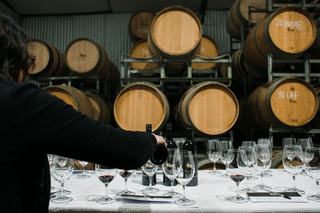
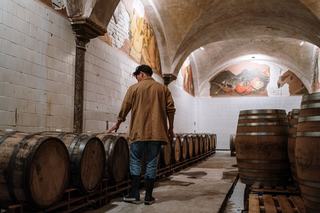
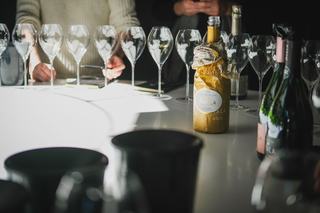
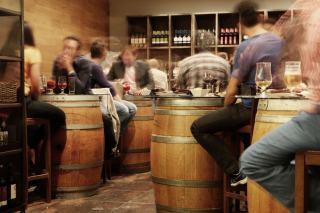
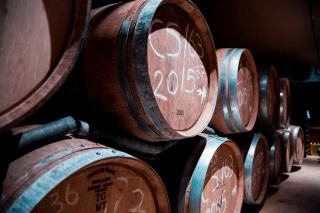
A cellar visit at a French estate usually starts with the vineyard or the winery, moves to the barrel cellar and ends with a tasting of three to six wines. At a family domaine, the winemaker often guides it in person; at a large château or champagne house, a trained guide follows a set route and the tasting is part of a ticketed tour. Small estates rarely post opening hours: they welcome visitors by appointment, and a short message a week ahead, naming the day, the number of people and the language you prefer, gets an answer in most cases.
Tasting fees vary with the estate and the wines poured. Many family estates offer the tasting free and expect no purchase, although buying a bottle is the usual way to thank them; classified châteaux and houses charge for their tours, and premium tastings cost more. Spitting is normal and accepted, even expected for whoever drives: every cellar has a spittoon. Before planning more than two estates in a day, read how many winery visits per day stay enjoyable, because the third tasting is rarely as rich as the first.
Visiting with children is possible at many estates, which show the vineyard, the presses and the grape juice. Ask in advance: some cellars are not suited to pushchairs.
Guided tour, self-drive or bicycle?
A guided wine tour in France solves the two hard parts of a vineyard trip: transport and appointments. A local guide knows which estates accept small groups on a given day, handles the language and drives between cellars, so everyone can taste. Half-day and full-day tours leave from Bordeaux, Beaune, Dijon, Reims, Epernay and Avignon, and some include a lunch at a gourmet table. The trade-off is a set itinerary and less time at each domaine. Weighing a guided wine tour against driving yourself mostly comes down to group size and how many cellars you want to see.
Driving yourself gives the most freedom: you choose the estates, stay longer where you like and buy cases without carrying them on a coach. It works best when one person stays sober and drives, or when the itinerary uses spitting at every tasting. Cycling is a third option in flat or rolling regions: the Loire à Vélo route follows the river through the Loire Valley, Burgundy has a green way below the Côte de Beaune, and Alsace has cycle paths through the wine villages. Electric bikes, rented in the main towns, make the slopes easy, and luggage transfer between hotels is common on organised cycling trips.
Wine routes worth following
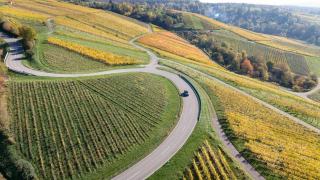
France counts dozens of signposted wine routes, and following one is the simplest way to explore a region without a plan. The Alsace Wine Route, opened in 1953, runs about 170 kilometres from Marlenheim to Thann through Riquewihr, Ribeauvillé, Eguisheim and Kaysersberg, with tasting rooms in almost every village. In Burgundy, the Route des Grands Crus links Dijon to Santenay through the most famous names of the Côte d'Or. The Champagne Tourist Route is split into several marked loops around the Montagne de Reims, the Marne valley and the Côte des Blancs. In Bordeaux, the D2 road through the Médoc, nicknamed the route of the châteaux, passes Margaux, Saint-Julien and Pauillac. The Beaujolais has its own route through the ten crus, a short drive north of Lyon, and the Rhone Valley has routes on both banks.
A route is a guide, not a programme: two or three stops in a day and a good lunch beat ten quick tastings. Signs mark the official itineraries, and local tourist offices publish maps of the estates that welcome visitors without an appointment.
A self guided wine tour along these wine trails suits wine lovers who want to set their own pace, while a local expert adds the wine culture that signs leave out: why one grand cru faces south-east, how the champagne houses age sparkling wine for years in chalk, which grape varieties a village grows. Many travelers explore one route on their own, then book a guided wine day to discover the wineries they would not have found alone.
Food, museums and time off the wine trail
Wine tourism in France is also food travel. Each region has its table: oysters and canelés in Bordeaux, boeuf bourguignon and jambon persillé in Burgundy, tarte flambée and choucroute in Alsace, bouchons in Lyon, markets and olive oil in Provence. Many domaines suggest a local restaurant, and some offer lunches or food and wine pairing workshops at the estate. Gourmet stops make a perfect rest day between cellar visits, and a market morning is a simple way to discover what local producers grow.
Wine museums help to understand what you taste. The Cité du Vin in Bordeaux covers wine cultures from around the world, with a tasting in its belvedere. The Cité des Climats et vins de Bourgogne, opened in 2023, has sites in Beaune, Chablis and Mâcon. In Champagne, the Epernay avenue of the houses and the Reims cellars show how the method works, and the Loire châteaux combine history with wine. A family trip works well when the days mix visits, castles, rivers and markets, with one estate visit a day.
Grape varieties you will taste, region by region
French wine labels name the place, not the grape, so it helps to know which grape varieties each region grows. Bordeaux blends: merlot leads on the Right Bank, cabernet sauvignon on the Left Bank, while sauvignon blanc and sémillon make the white wine. Burgundy uses single varieties: pinot noir for red, chardonnay for white, from Chablis down to the Mâconnais. Champagne blends chardonnay, pinot noir and meunier into sparkling wine. Alsace is the exception that names its grapes on the label: riesling, gewurztraminer, pinot gris, muscat and sylvaner. In the Loire, sauvignon blanc makes Sancerre, chenin blanc makes Vouvray and Savennières, and cabernet franc makes the red wines of Chinon and Saumur. The northern Rhone works with syrah, the south with grenache blends, and Provence with grenache, cinsault and mourvèdre for its rosé.
A tasting at the cellar is the best place to learn the difference between two plots or two vintages of the same grape, and winemakers are usually glad to explain it. Comparing a village wine with a premier cru or grand cru from the same slope is the clearest tasting experience Burgundy offers, and many travelers enjoy it more than any museum.
Booking estates, driving between them and taking bottles home
Do you need to book a winery visit in France?
Booking a winery visit in France is recommended at almost every estate. Small domaines open by appointment because the winemaker also works the vines, and classified châteaux sell timed tours online. Only some cellars in Alsace, Champagne villages and the Loire welcome walk-in visitors during set hours.
What is the drink driving limit in France?
The legal limit in France is 0.5 grams of alcohol per litre of blood, and 0.2 grams for drivers in their probationary period. Spitting at each tasting, a designated driver or a guided tour keep a wine trip within the French drink driving limit.
How much wine can you bring home from France?
Travellers within the European Union can bring back wine for personal use, with indicative levels of 90 litres, including up to 60 litres of sparkling wine. Outside the EU, the allowance depends on the country of arrival, so check its customs rules before buying cases at the cellar.