
Asking when is the best time to go wine tasting in France usually brings two answers from most winemakers: late May to June, when the vines bloom, or October, just after the harvest. Both windows mean open cellars, mild days and time to talk at each visit, and every wine region shifts the dates of a tour slightly.
- Spring: mid-May to late June, the easiest time to visit wineries, with the grape vines in flower and a wine tasting easy to book.
- Harvest season: September to mid-October, the richest experience of the year in any wine region, with grape picking and new wine fermenting.
- Winter: November to March, few visitors and long cellar tours, a good season to explore the Loire Valley or Burgundy in peace.
- Summer: July and August offer the longest opening hours, but August brings the most crowded wine tour routes.
Which month suits which kind of wine trip?
Matching the month to the trip you want settles the question faster than any general rule. A couple looking for long tastings with the owner, a group chasing festivals and a family tied to school holidays will not land on the same dates, and none of them is wrong. Every traveler has a different idea of the perfect wine destination, so the ideal date starts with the purpose of the trip: food and wine, culture, walking, or simply enjoying a glass on a terrace. Whatever the season, the number of winery visits that fit in one day rarely exceeds three or four once driving and lunch are counted. The table sets each traveller profile against the period that serves it best and the trade-off that comes with that choice.
| Traveller profile | Best period | Why it works | Trade-off |
|---|---|---|---|
| First trip, easy bookings | Mid-May to June | Vines in flower, cellars fully staffed, roads still quiet | Showers possible, busy public holiday weekends in May |
| Photographer or walker | Late September to October | Picking teams in the rows, golden leaves, soft light | Small estates short of time during picking |
| Wine lover seeking time with the grower | November to March, outside holidays | Cellar work slows down, tastings run longer | Short days, visits by appointment only |
| Festival seeker | Late January, early summer, mid-November | Saint-Vincent Tournante, Bordeaux wine event, Hospices de Beaune auction | Rooms in the host towns fill months ahead |
| Family on school holidays | July and early August | Long days, outdoor activities, picnic areas on estates | Heat and queues on the best-known routes |
| Tight budget | January to March | Lower off-season room rates, easy reservations | Fewer events, some restaurants closed |
Two periods never appear as ideal in that table: August, when traffic peaks across France, and the first days of grape picking at a small domaine, when the whole family is out in the vineyard. Neither is a reason to cancel a trip. Both are a reason to book further ahead, to phone the estate the day before and to keep a second address nearby in case the first one is busy with the work of the season.
Spring among the vines: bud break and bloom (April to mid-June)
Spring is the season most winemakers quietly recommend to visitors who ask them for their own answer. Bud break arrives in April in most French regions, a little earlier around the Mediterranean, and the first leaves turn the slopes green within a few weeks. Flowering follows from late May: tiny white flowers with a faint honey scent appear along the canes, and the estate's whole year hinges on the weather during those days, since cold rain at bloom reduces the crop.
For the traveller, the attraction is practical. Cellar doors are open, the team has finished bottling the previous vintage, and the tourist season has not yet reached its July peak. Spring is the easiest time to book a private tasting, to walk the rows with the grower and to see the vine at work rather than at rest. The wines tasted in spring are at an interesting stage too: whites and rosés of the last vintage are freshly bottled, and red wines still in barrel can sometimes be sampled straight from the cask with a pipette, an experience few estates offer once the summer crowds arrive.
France has several public holidays in May (1 May, 8 May, Ascension Thursday and often Whit Monday), and long weekends fill the best-known villages. Many family estates close on 1 May. Book cellar appointments two to four weeks ahead for a spring visit, and longer for the most sought-after names in Burgundy or Champagne, where tastings are rare and allocated. A quiet spring week is also a good moment to follow one of the courses that teach how to read colour, aromas and structure before the trip begins.
Is summer a good time for wine tasting in France?
Summer is the season with the longest opening hours and the most visitors. From July, many estates in the Loire Valley, Bordeaux and Provence open their tasting rooms every day without appointment, and some offer special events on top of the usual tour: evening tastings, live music among the vines, picnics under the trees and guided vineyard walks at sunset. Long days leave room for three visits and a riverside dinner, which makes summer the easiest season for a first trip with children or friends who are new to wine.
The drawbacks are heat and crowds. Afternoon temperatures in the Rhône Valley and Languedoc frequently climb past 30 °C in July, which tires the palate faster and turns a parked car into an oven for any bottles bought along the way. A cool box in the boot, a morning tasting and a long lunch in the shade solve most of it. In August, a large part of France goes on holiday at the same time, including some small family domaines, while the large houses and cooperative cellars stay open throughout.
Summer wine trips have their own rhythm: a first tasting at 10 a.m., lunch at an estate restaurant, a rest, and a second slot in late afternoon when the cellars feel cool. Rosé and white wine show at their best on a terrace in this season, and some estates pair them with local cheese or charcuterie. Late August also marks the start of picking in the south: in warm years, estates around the Mediterranean bring in their first grapes for sparkling and white wine before the end of the month.
Harvest season: what September and October bring
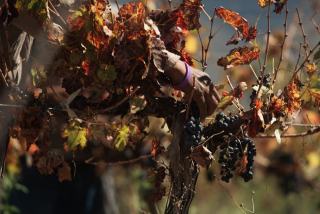
The harvest is the most atmospheric period in any French wine region, and the image most travellers have in mind when they wonder about timing. Depending on the year and the latitude, the grape harvest runs from late August in Languedoc and Provence to early or mid-October in the Loire Valley, Alsace and the cooler vineyards of the Jura. Mechanical harvesters work the larger estates at dawn, hand-picking teams fill the rows where the rules require it, as in Champagne and Beaujolais, and the smell of fermenting juice hangs over every village.
The trade-off is attention. During the first ten days of picking, a small domaine has every pair of hands in the vineyard or the vat room, and tastings may be shortened or paused. Larger houses and cooperative cellars stay open and often run a special tour of the winemaking process at this time: sorting tables, presses, tanks bubbling with new grape juice and the first pumping-over of red wines. Mid-October to early November is the calmer half of the season: picking is over, leaves turn gold and red, and the winemaker is ready to pour and to talk about the vintage.
In American terms, this is fall in wine country, and the same crowd pattern applies: weekends draw the biggest crowd, weekdays stay calm. Several wine villages hold a harvest festival in this period, with a market of local food, a wine stand from each estate and a guided vineyard walk, a good way to explore several producers in one afternoon.
Can visitors take part in the vendange?
Picking grapes alongside a team is possible at a number of estates, usually as a paid half-day experience that ends with a shared meal; other domaines hire seasonal pickers for a full week or more, which is a job rather than a holiday. Dates depend on ripeness and are confirmed only a few days ahead, so the booking stays flexible. Estates offering a half-day vendange for visitors publish their usual windows in early summer, and the best ones fill quickly in Burgundy, Champagne and Bordeaux.
November to March: winter festivals and quiet cellars
Winter is the season of the intimate experience in French wine country. From November, vineyard work moves indoors: wines finish fermenting, rest in barrel or tank, and the first pruning begins once the leaves have fallen. A visit at this time often means the owner alone in the cellar, a tasting that lasts an hour instead of twenty minutes, and samples of the new vintage that no summer visitor will taste in the same state.
The calendar still has highlights. The Hospices de Beaune charity wine auction takes place on the third Sunday of November and turns the town into a weekend of tastings and street events. Alsace opens its Christmas markets from late November, and its wine villages combine mulled wine stalls with cellar visits through December, often in cozy tasting rooms warmed by a stove. At the end of January, the Saint-Vincent Tournante moves to a different Burgundy village each year, with parades and tastings in the courtyards. These and the summer events are set out in a calendar of French wine festivals with the regions that host them.
The constraints are real but manageable. Days are short, the weather can be cold and grey, and many estates close between Christmas and New Year. Off-season accommodation rates are lower, booking is easy, and a winter tour suits flexible travellers who care more about the conversation than about the view.
What is the best time of day for wine tasting?
Late morning is the best time of day for wine tasting, according to most sommeliers and wine schools: the palate is rested, nothing strong has been eaten yet, and the cellar staff are fresh. A first appointment at 10 or 11 a.m. sets the pace for the day. Many French estates close for lunch, often between noon and 2 p.m., so a visit booked at 11:30 a.m. may feel rushed. In summer, when temperatures rise after lunch, a warm tasting room dulls the palate faster than a cool vaulted cellar, another reason to taste early.
Afternoon tastings work well too, as long as the day is not overloaded. Most experienced visitors stop at three estates a day, four at most, with a proper lunch in between and water at every stop. Spitting is normal practice in French cellars and nobody will take offence; the driver of the group should do it every time. The right pace depends on distances, the length of each tour and whether the cellar is a cave you walk through or a single tasting room.
Region by region: how the calendar shifts
France stretches over nearly ten degrees of latitude, and each wine region follows its own clock. The seasons described above move by two to three weeks between the Mediterranean and the north.
- Loire Valley
- Loire vineyards ripen late; picking runs from mid-September into October. Spring and early autumn suit cycling between the château towns, and the long valley offers a wide range of white wine, from Muscadet to Vouvray.
- Bordeaux
- Bordeaux wineries welcome visitors all year, but the grand châteaux of the Médoc limit visits during picking. Spring is ideal to visit Bordeaux and compare cabernet sauvignon and merlot from barrel.
- Burgundy and Beaujolais
- Small domaines dominate, so appointments matter more than anywhere else. May to June and November are the calmest periods; September is the busiest.
- Champagne
- The large houses open all year with fixed tour times, and grape picking usually starts in late August or early September in recent warm vintages.
- Alsace and Jura
- Picking runs late into October, and December brings the Christmas markets to the villages of the Alsace wine route. Summer is pleasant in the hills, cooler than the south, and a vineyard walk above Riquewihr or Arbois works in any season.
- Rhône Valley, Languedoc and Provence
- Spring and late autumn avoid the summer heat. Picking starts earliest here, and red wines from grape varieties such as grenache and syrah dominate the tastings.
Outside France: the same question in other wine countries
The French calendar applies to most of the northern hemisphere. In California, Napa and Sonoma pick from August to October, Napa Valley tasting rooms are busiest on autumn weekends, and Paso Robles follows a similar rhythm with fewer crowds. The vine cycle in Spain, Italy and Germany matches the French one within a few weeks: Tuscany and the Douro in Portugal draw their largest crowd in the fall, while spring remains the quiet season to explore their vineyard roads. A Napa or Sonoma wine tasting experience follows the same logic, with weekday visits far calmer than weekends.
In the southern hemisphere, the seasons are reversed. South Africa, the Adelaide Hills and Barossa Valley in South Australia, and the Swan Valley near Perth harvest from February to April, which makes them the obvious choice for a wine tour during the European winter. A traveller who cannot leave in spring or autumn can still catch a vintage in full swing on the other side of the world.
Planning a wine tasting trip around the calendar
Once the season is fixed, start planning from the estates rather than from the hotel. Shortlist the producers you most want to see, check whether they receive visitors without appointment, and book the rare ones first; accommodation and restaurants can then be arranged around those slots. In peak periods, a wine tourism office in each region keeps a list of estates open on Sundays and public holidays.
- Sundays and Mondays: many family estates close on Sunday, and some also on Monday morning. Cooperative cellars and the larger houses are the safest choice for a weekend.
- Lunch hours: few small estates receive visitors between noon and 2 p.m., outside the main tourist months.
- Driving: the legal blood alcohol limit in France is lower than in some countries, and roadside checks are common on wine routes in summer and at festival time.
- Shipping and storage: in hot months, ask the estate about shipping rather than leaving bottles in a car all afternoon.
- Access: contact each estate in advance about access for wheelchairs or pushchairs, since many cellars sit down narrow stairs.
A simple map of the estates with drive times between them keeps the day realistic, and most travel tips from wine growers say the same thing: fewer stops, longer visits, and one wine region explored properly rather than three rushed.
Wine tasting holidays work best with one base per area and short drives between visits. A travel guide or a local wine tour operator can help on a first trip, and a guided day removes the question of who drives. Wine lovers who return year after year often explore the same wine region in two different seasons, once in bloom and once at picking time, to see how the place and the wines change.
Timing a vineyard visit: closures, rain and how far ahead to book
Are French wineries open on Sundays?
Some are, many are not. Large houses in Champagne, Bordeaux and the Loire Valley often open seven days a week in summer, while small family domaines usually close on Sunday. Checking the estate's website or calling ahead is the only reliable way to know.
Is it worth visiting vineyards when it rains?
Yes, a rainy day suits a cellar tour well. Tastings take place indoors or underground, cellars keep a steady temperature, and estates are often quieter, so the visit tends to be longer and more personal.
How far ahead should I book a tasting in October?
For October, two to four weeks ahead is a safe margin for most estates, and longer for famous Burgundy or Champagne names. During the first days of picking, confirm by phone the day before, because small domaines can change their plans at short notice.